

WordPress Website Development Australia: Why Plugin Overload Becomes a Business Problem, Not Just a Technical One
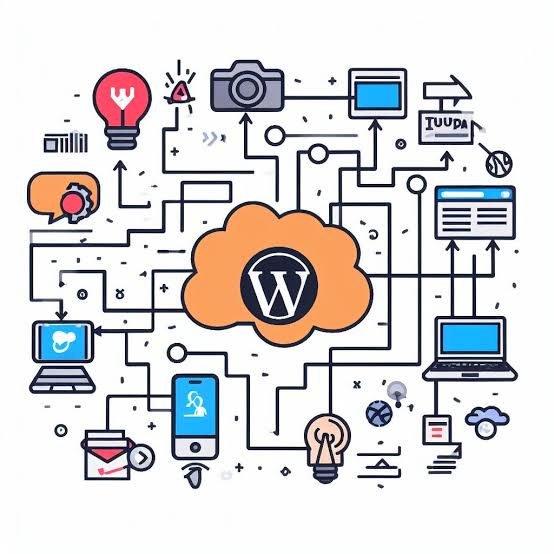
One of the biggest advantages of WordPress is how quickly functionality can be added. Need a contact form? Install a plugin. Need SEO controls? Install another. Add multilingual content, security, caching, popups, analytics, booking, ecommerce, redirects, image optimisation and CRM integration, and WordPress can expand rapidly without requiring every feature to be developed from scratch.
This flexibility is one of the reasons wordpress website development australia remains attractive to businesses of very different sizes. The problem begins when plugins are added one by one over several years without anyone reviewing how the complete system fits together.
A website that originally used 15 plugins may eventually have 45. Some overlap. Several were installed for campaigns that ended years ago. Others load scripts across every page even though their functionality appears only once. Nobody wants to remove anything because nobody is completely sure what might break.
At that point, plugin management stops being a small technical issue. It begins affecting performance, security, maintenance cost, staff confidence and the ability to change the website safely.
Plugin Count Alone Does Not Tell You Whether a Website Is Healthy
There is a popular idea that WordPress websites should use as few plugins as possible. This is too simplistic.
A website with 35 well-maintained plugins serving clear functions can be healthier than a website with ten outdated or poorly coded plugins. The real issue is not the number itself. It is the quality, purpose and interaction of the dependencies.
A professional wordpress developer australia should therefore ask:
What does each plugin do?
Is that functionality still required?
Does another plugin already perform the same job?
Is the plugin actively maintained?
The objective is not achieving an artificially low plugin number. It is ensuring every major dependency earns its place.
Plugins Often Accumulate Through Reasonable Decisions
Plugin overload rarely happens because one developer deliberately decides to create an unstable website.
It happens gradually.
Marketing wants a popup.
SEO wants a redirect tool.
Sales wants chat.
Each request makes sense independently.
The website simply never receives a periodic architectural review.
Professional wordpress agency australia maintenance should therefore consider the entire stack rather than evaluating every request in isolation.
A new plugin may solve today’s requirement perfectly but duplicate functionality already available somewhere else.
Architecture becomes stronger when somebody understands the system globally.
Duplicate Functionality Creates Hidden Complexity
A site may have:
One caching plugin.
One image optimisation plugin.
One database optimisation plugin.
One performance plugin containing overlapping features.
Individually, each tool appears useful.
Together, configuration becomes difficult to understand.
A skilled wordpress developer australia should identify where responsibilities overlap.
Which plugin handles caching?
Which handles image compression?
Which handles database cleanup?
The clearer those boundaries are, the easier the website is to maintain.
Overlap becomes dangerous when several tools modify the same behaviour and nobody knows which configuration ultimately controls the result.
Form Plugins Are a Common Example
A company starts with Contact Form 7.
Later, marketing installs Fluent Forms for better styling.
Then another team introduces WPForms for a campaign.
Now the website has three form systems.
Professional wordpress website development australia should ask whether there is a strong reason for keeping all of them.
Multiple form platforms create:
Different spam systems.
Different notification settings.
Different CRM integrations.
That increases operational complexity.
Where practical, consolidating common workflows into one reliable platform can simplify maintenance considerably.
SEO Plugins Should Not Become a Collection Either
A WordPress site may have one SEO plugin, one schema plugin, one redirect plugin and another tool controlling sitemaps.
Sometimes this architecture is justified.
Sometimes the main SEO plugin already provides most of the required functionality.
Professional wordpress agency australia should understand what each layer contributes.
Installing a new SEO tool because one feature is easier to access can create conflicts around canonical tags, schema or sitemap generation.
Technical SEO works best when ownership of each function is clear.
Security Plugins Are Not a Substitute for Security Architecture
A site experiences suspicious activity.
Someone installs another security plugin.
Then another scanner.
Eventually several tools monitor the same behaviour.
Professional wordpress developer australia security should look beyond plugin quantity.
Security also depends on:
Updates.
Hosting.
Permissions.
Authentication.
A plugin can contribute to the strategy.
It cannot compensate indefinitely for weak operational practices.
Adding more security software without understanding the underlying risk may increase complexity without meaningfully increasing protection.
More Plugins Mean More Update Relationships
Every plugin has its own release cycle.
WordPress core updates.
WooCommerce updates.
PHP versions change.
Professional wordpress website development australia needs to consider compatibility across the stack.
The more dependencies exist, the more combinations need to remain stable.
This does not mean every plugin update will create a problem. Most mature plugins update reliably.
The issue is cumulative maintenance exposure.
A website dependent on many independent systems naturally requires stronger testing and change management.
Automatic Updates Need Context
Automatic updates can improve security because patches are applied quickly.
They can also create risk for critical sites if major compatibility changes go live without testing.
A professional wordpress developer australia should apply an appropriate policy.
A simple informational site may tolerate broader automatic updating.
A complex WooCommerce website with custom integrations may benefit from more controlled testing.
There is no universal update rule.
The risk level of the website should determine the process.
Staging Becomes More Important as Plugin Complexity Increases
When a website uses many plugins and custom functionality, significant updates should ideally be tested before production where practical.
Professional wordpress website development australia can use staging environments to check whether:
Forms still submit.
Checkout still works.
Custom integrations remain functional.
This reduces the fear around maintenance.
A business should not avoid updates for months simply because nobody knows what might break.
Good testing allows the site to remain current without unnecessary risk.
Plugin Abandonment Is a Long-Term Risk
A plugin may be excellent today.
The developer stops maintaining it two years later.
Professional wordpress agency australia should periodically review whether critical plugins continue receiving updates and support.
This matters especially for functionality such as:
Payments.
Security.
Core ecommerce.
The business does not need to replace every plugin that misses one update cycle. But dependencies should not remain invisible indefinitely.
If a critical tool is clearly abandoned, replacement planning should begin before it becomes an emergency.
Premium Plugins Need Licence Ownership Clarity
An agency builds the website using several premium plugins under its own licence.
The relationship ends.
What happens?
Professional wordpress website development australia agreements should clarify whether licences are agency-managed or client-owned.
Agency licences can sometimes reduce cost and simplify maintenance.
That model is fine if the client understands the dependency.
The problem appears when the business assumes a plugin licence is permanent and later discovers updates stop when the supplier relationship changes.
Ownership should be clear before it becomes operationally important.
Free Plugins Can Still Carry Cost
A plugin with no annual licence is not necessarily free in total cost.
It still requires:
Maintenance.
Compatibility.
Security review.
A capable wordpress developer australia should therefore evaluate plugins based on total operational impact rather than purchase price alone.
A reliable paid plugin may be cheaper long term than a free alternative requiring repeated fixes.
The cheapest tool is the one that solves the requirement reliably at an appropriate maintenance cost.
Custom Code Is Not Automatically Better Than Plugins
Some developers respond to plugin overload by recommending custom code for everything.
That creates a different type of dependency.
Professional custom wordpress development australia should use custom development where the business requirement is genuinely specific or where existing solutions create unnecessary complexity.
For common functionality such as SEO metadata, ecommerce or established form workflows, mature plugins may be more maintainable than rebuilding the same system privately.
The right question is not:
Plugin or custom?
It is:
Which option creates the best balance of functionality, maintenance and ownership for this requirement?
Small Custom Functions Can Replace Entire Plugins Sometimes
The reverse is also true.
A business needs one simple feature from a plugin containing dozens of unrelated modules.
A competent wordpress developer australia may be able to implement the required behaviour cleanly with a small amount of custom code.
This can reduce script loading and dependency count.
But custom code should still be documented and maintainable.
Removing plugins is not valuable if the replacement becomes undocumented technical debt.
Page Builders Are Large Dependencies Too
Elementor, Divi and other builders influence much more than one isolated function. They often control a large part of the presentation layer.
That is not inherently bad.
Professional wordpress web design australia should simply recognise the dependency.
If the website is deeply built around Elementor, changing builders later may require substantial work.
This should be understood when making long-term architecture decisions.
A page builder is not “just another plugin” once hundreds of pages depend on it.
Add-On Packs Need Even More Caution
Page-builder ecosystems frequently include add-on packs providing extra widgets.
One pack adds 70 widgets.
The website uses two.
Professional wordpress website development australia should consider whether the additional dependency is justified.
Some add-on libraries are excellent and well maintained.
The question is whether the functionality being used provides enough value to justify another system controlling frontend behaviour.
The easiest widget to install today may become another update dependency tomorrow.
Plugins Can Affect Page Speed Even When Their Feature Is Not Visible
A plugin used for one page may load CSS or JavaScript across the entire website.
Now every visitor pays the performance cost.
A skilled wordpress developer australia can inspect how assets are loaded and optimise where reasonable.
This may include conditional loading, replacing heavy functionality or removing tools that provide little value.
Plugin optimisation should focus on real frontend impact rather than simply uninstalling items based on reputation.
Measure first.
Then simplify where the evidence supports it.
Third-Party Scripts Need the Same Review
Not every website dependency appears in WordPress Plugins.
Google Tag Manager may load:
Chat.
Advertising.
Heatmaps.
External widgets.
Professional wordpress agency australia performance reviews should include these systems too.
A site can reduce its plugin count dramatically and remain slow because marketing scripts continue loading externally.
The customer experiences the total page.
They do not care whether the performance cost came from WordPress or Tag Manager.
Plugins Can Make the WordPress Backend Harder to Use
Each plugin may add:
Dashboard menu.
Settings page.
Notifications.
A marketing employee logs in and sees a backend filled with tools they do not understand.
Professional wordpress website development australia should consider backend usability.
Role-based permissions and carefully selected plugins can reduce clutter.
The internal team should not need to navigate through 25 technical menus simply to publish a case study.
Administrative complexity is another operating cost.
Plugin Notifications Can Create Poor Governance
“Upgrade to Pro.”
“Database optimisation required.”
“Activate licence.”
Different users see different warnings and may act without understanding their impact.
A professional wordpress developer australia should manage technical plugin settings through appropriate user roles.
Editors should focus on content.
Technical administrators should handle system-level configuration.
The website becomes safer when responsibilities are clear.
Removing a Plugin Requires Investigation
A plugin appears inactive.
Delete it?
Maybe.
Professional wordpress website development australia should confirm whether the plugin stores data or supports functionality that is not immediately obvious.
Form entries.
Shortcodes.
Custom fields.
Deleting the tool may leave broken frontend content or inaccessible historical data.
Plugin cleanup should be controlled.
The objective is reducing unnecessary dependencies without accidentally removing business information.
Old Shortcodes Are a Common Warning Sign
An old plugin was removed years ago.
Pages still contain:
[old_widget id="12"]
Customers now see broken shortcode text.
Professional wordpress developer australia audits should identify legacy shortcode dependencies before removing large plugins or changing builders.
This becomes especially important during website rebuilds.
Plugin history can remain embedded inside content long after the original system disappears.
Database Tables Can Remain After Plugins Are Removed
Some plugins leave data behind after uninstall.
Over many years, databases can accumulate old tables and options.
Professional wordpress website development australia maintenance can review this carefully where database size or performance becomes a real concern.
Aggressive database cleanup is risky and usually unnecessary for ordinary sites.
The priority is understanding whether legacy data is creating a meaningful problem before touching it.
Cleanup should follow evidence.
WooCommerce Sites Need More Conservative Plugin Management
An ecommerce website may rely on plugins for:
Payments.
Shipping.
Tax.
Subscriptions.
Product filters.
These systems directly affect revenue.
Professional wordpress developer australia maintenance should therefore treat changes carefully.
Removing or replacing a product-filter plugin may appear simple but affect customer discovery. Updating a payment extension can affect checkout.
The closer functionality sits to revenue, the stronger the testing process should be.
Checkout Plugins Deserve Special Attention
A website uses multiple checkout customisation plugins.
One changes fields.
Another controls upsells.
Another changes payment behaviour.
This can create complicated interactions.
Professional wordpress website development australia should reduce overlap around critical ecommerce flows where possible.
Checkout is not a good place for uncontrolled experimentation.
The system should remain understandable enough that problems can be diagnosed quickly.
CRM Plugins Need Clear Data Ownership
A form plugin sends leads into CRM through another integration plugin.
Where is the authoritative record?
What happens if the CRM connection fails?
Professional custom wordpress development australia should document critical data flows.
The website may need fallback notifications or error logging.
The plugin is only one part of the process.
The business cares about whether the lead arrives.
Backup Plugins Need Recovery Planning
A plugin says backups run daily.
That sounds reassuring.
Where are they stored?
Can they be restored if WordPress itself is unavailable?
Professional wordpress agency australia maintenance should evaluate the recovery process rather than simply checking that a backup plugin exists.
A backup is useful only when the organisation can access and restore it during a problem.
This may be handled through the hosting platform rather than WordPress itself.
The architecture should reflect actual recovery needs.
Caching Plugins Should Match Hosting Architecture
Some managed WordPress hosts already provide sophisticated caching.
Installing another caching plugin without understanding the hosting layer can create redundant or conflicting behaviour.
Professional wordpress developer australia should coordinate WordPress optimisation with hosting infrastructure.
The best performance setup is not necessarily the one with the most optimisation plugins.
It is the one where each layer has a clear responsibility.
Image Optimisation Can Often Be Simplified
A site uses one compression plugin, another WebP plugin and a CDN doing image transformation.
Perhaps all three are necessary.
Perhaps not.
Professional wordpress website development australia should understand where optimisation actually occurs.
Duplicating the same process across several tools creates more settings and troubleshooting work.
One clear image-delivery strategy is easier to maintain.
Plugin Selection Should Consider Business Continuity
Before introducing a major dependency, ask:
How widely is this plugin used?
Does it have an established maintenance history?
Is there documentation?
Professional wordpress agency australia technical planning should consider the probability that the tool remains supportable several years from now.
No one can guarantee the future of third-party software.
The goal is reducing avoidable risk.
Critical business functions deserve more conservative dependency choices than small decorative features.
Small Decorative Plugins Should Have a High Bar
A plugin adds an animated cursor.
Another adds one hover effect.
These features may look interesting.
They also create dependencies for very limited functionality.
Professional wordpress web design australia should ask whether the visual benefit justifies permanent technical overhead.
This does not mean websites should avoid creative interactions.
It means highly minor effects are often better implemented within an existing design system than through an entire additional plugin.
Every Plugin Should Have an Owner
This is a simple governance improvement.
Who is responsible for:
Licence.
Updates.
Configuration.
A professional wordpress website development australia operation can maintain a small inventory of important plugins and their purposes.
This becomes especially valuable after staff or agency changes.
The next technical team should not need to reverse-engineer why 40 tools are installed.
Basic documentation saves time.
Plugin Reviews Should Be Periodic, Not Constant
Businesses do not need to audit their entire stack every week.
A practical review may happen during:
Major maintenance.
Redesign.
Hosting migration.
Professional wordpress agency australia support can use these opportunities to identify abandoned, duplicate or unnecessary dependencies.
The objective is prevention.
A small amount of periodic cleanup can avoid reaching the point where nobody understands the architecture.
Do Not Remove Plugins Simply to Improve a Score
A performance tool says the website has too many plugins.
The business begins deleting them.
This is poor methodology.
Professional wordpress developer australia optimisation should identify actual bottlenecks.
One plugin may account for most of the frontend performance problem.
Twenty others may have negligible impact.
Technical decisions should follow evidence rather than generic plugin-count advice.
WordPress Australia Is Strong Because of Its Plugin Ecosystem
The enormous plugin ecosystem is one of the main reasons WordPress Australia can serve businesses ranging from simple corporate sites to complex ecommerce platforms.
Plugins reduce development cost and allow companies to use mature solutions for common problems.
The ecosystem becomes a weakness only when flexibility is used without architectural discipline.
A skilled wordpress developer australia should know when to rely on a proven plugin, when to replace one, when to consolidate several tools and when custom wordpress development australia is genuinely justified.
WordPress does not need fewer capabilities.
It needs clearer ownership of those capabilities.
Conclusion
Plugins are not the enemy of a good WordPress website.
Unmanaged dependencies are.
Professional wordpress website development australia should treat the plugin stack as part of the website architecture rather than a collection of shortcuts added whenever a new request appears. A capable wordpress developer australia can consolidate overlapping tools, protect critical functionality and use custom code selectively where it genuinely reduces complexity.
The most useful plugin question is not:
“How many plugins does our WordPress website have?”
It is:
“For every important plugin we depend on, do we know what it does, why we need it, who maintains it and what happens to the business if it stops working?”
If those answers are clear, a larger plugin stack can still be perfectly manageable.
If they are not, even a relatively small website can already be carrying more technical risk than anyone realises.