

WordPress Developer Australia: Building Business Websites That Support Growth, Marketing and Long-Term Performance
Choosing a WordPress developer Australia businesses can rely on is no longer simply a matter of finding someone who can install a theme and publish several pages. Modern Australian companies expect their websites to support lead generation, content marketing, customer communication, system integration and future business expansion. The development process must therefore connect technical decisions with commercial goals from the beginning.
WordPress remains one of the most flexible platforms available for corporate websites, B2B companies, professional services firms, ecommerce brands and growing organisations. However, the quality of the final website depends heavily on how the platform is planned, designed and developed. Two websites may both use WordPress while delivering completely different results in performance, usability, security and long-term management.
Professional WordPress website development Australia should create more than a visually attractive online presence. It should provide a stable digital foundation that internal teams can manage, customers can understand and the business can continue expanding without needing to rebuild the website every few years.
Why Australian Businesses Continue Choosing WordPress
WordPress is sometimes described only as a blogging platform or an inexpensive option for small businesses. That description no longer reflects how the platform is used today.
Companies across WordPress Australia markets use the platform for corporate websites, online stores, membership systems, customer portals, multilingual websites and integrated marketing platforms. Its flexibility allows businesses to begin with a focused website and introduce additional capabilities as requirements develop.
A professional WordPress developer Australia can create a platform that supports:
- Corporate and professional service websites.
- B2B product catalogues.
- Ecommerce stores.
- Industry landing pages.
- Multilingual content.
- Customer and dealer portals.
- CRM and API integrations.
- Membership and subscription services.
The value of WordPress comes from the ability to combine structured content management with extensive development flexibility. Businesses are not restricted to one fixed page layout or one closed software provider.
At the same time, flexibility must be managed carefully. Poorly selected plugins, low-quality themes and uncontrolled customisation can create security and maintenance problems. Successful development requires clear architecture rather than simply adding features whenever a new request appears.
WordPress Website Development Australia Should Begin with Business Planning
Many website projects begin too quickly with visual design. The company selects colours, reviews homepage concepts and discusses animation before defining what the website is expected to achieve.
Professional WordPress website development Australia should begin with business planning.
The development team needs to understand:
- Which customers the business wants to attract.
- Which products or services have the highest priority.
- How visitors currently discover the company.
- What information customers need before contacting sales.
- Which internal teams will manage the website.
- Which systems need to connect with WordPress.
- How the business may expand over the next several years.
These questions influence the complete project.
A B2B manufacturer may need detailed product data, technical downloads and quotation workflows. A professional services company may focus more heavily on expertise, industry pages and case studies. An ecommerce brand may prioritise product discovery, inventory integration and repeat purchases.
A reliable WordPress developer Australia should recommend a structure based on the business model rather than applying the same template to every client.
Defining the Website’s Commercial Role
Before development begins, the business should decide what role the website plays within sales and marketing.
The website may be expected to:
- Generate qualified enquiries.
- Educate potential customers.
- Support existing clients.
- Present products to distributors.
- Process online transactions.
- Recruit employees.
- Enter a new geographic market.
- Establish industry authority.
These goals should be prioritised. A website attempting to treat every objective as equally important can become unfocused and difficult for visitors to navigate.
Professional WordPress website design Australia should translate the highest-priority goals into page structure, navigation and content hierarchy.
Planning for Internal Website Management
The website must also work for the people responsible for maintaining it.
Marketing teams may need to publish articles and landing pages. Product teams may update technical specifications, while human resources manages vacancies and staff information.
A professional WordPress agency Australia should identify these responsibilities during planning. The administration experience can then be designed around real internal workflows instead of giving every employee unrestricted access to the complete system.
Role-based permissions, reusable page sections and structured content types make the website easier to manage while protecting consistency.
Custom Design Versus Pre-Built WordPress Themes
One of the earliest project decisions is whether to use a pre-built theme or develop a custom design.
Commercial themes can reduce initial cost and accelerate basic website launches. They may be suitable for small businesses with straightforward requirements and limited need for differentiation.
However, pre-built themes are designed for a broad market. They often contain functions, layouts and scripts that the individual business does not need.
Professional WordPress website design Australia may use a custom theme when brand identity, performance and future flexibility are important.
A custom WordPress design can provide:
- Brand-specific layouts.
- Controlled page components.
- Cleaner code.
- More consistent mobile behaviour.
- Easier content management.
- Reduced dependence on unnecessary plugins.
- Greater flexibility for future development.
A custom website does not mean every page must be designed independently. The strongest approach is often a structured design system containing reusable sections, templates and content patterns.
This gives internal teams flexibility without allowing every page to become visually inconsistent.
Design Should Support Customer Decisions
Effective website design is not simply about appearance. Every page should help the visitor understand the business and determine the next relevant step.
Professional WordPress website design Australia considers the order in which customers need information.
A service page may need to explain:
- The customer problem.
- The service being offered.
- Who the service is suitable for.
- How the process works.
- What evidence supports the company’s claims.
- How the customer can continue the conversation.
Design supports this sequence through headings, spacing, images, content blocks and calls to action.
The purpose is not to add visual effects everywhere. It is to make complex information easier to understand.
Building WordPress Around Structured Content
One of the greatest long-term mistakes in WordPress development is building every page manually with no consistent content structure.
This approach may work during the original project but becomes difficult to maintain as the website grows. Product pages use different layouts, staff profiles contain inconsistent information and case studies are created differently by each editor.
A professional WordPress developer Australia should identify repeatable content types and build structured templates for them.
These may include:
- Services.
- Products.
- Industries.
- Projects.
- Case studies.
- Team members.
- Locations.
- Resources.
- Frequently asked questions.
Structured content improves consistency and makes future expansion faster.
For example, when a company adds a new office, the location template can automatically include address details, opening hours, local services, maps and team information. The editor enters the content without redesigning the page.
Reusable Components Reduce Development Costs
Reusable components can include testimonial sections, document libraries, comparison tables, enquiry blocks and industry cards.
Once developed and tested, these components can be used across multiple pages. This reduces repeated development and helps maintain consistent mobile and accessibility behaviour.
Professional WordPress website development Australia should balance flexibility with control. Internal editors need enough freedom to create useful pages, but the website should still protect brand and technical standards.
WordPress Development for Search Visibility
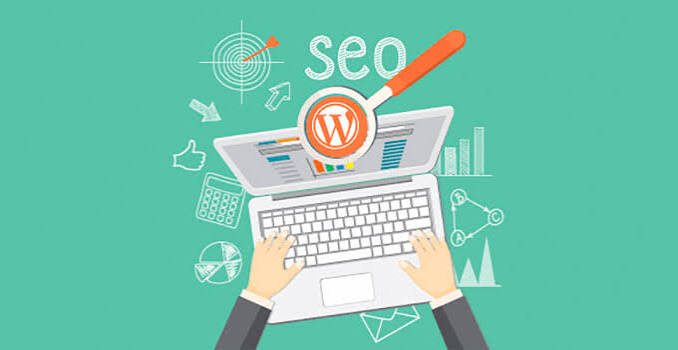
WordPress provides strong SEO capabilities, but installing an SEO plugin does not automatically produce rankings.
Search visibility depends on content architecture, technical implementation and long-term publishing quality.
A professional WordPress agency Australia should consider SEO during planning rather than treating it as an activity performed after launch.
Important foundations include:
- Clear URL structures.
- Logical page hierarchy.
- One primary topic per page.
- Correct heading structure.
- Internal links.
- Image optimisation.
- XML sitemaps.
- Schema implementation.
- Redirect management.
- Crawl and indexing controls.
For an Australian business, location and market relevance may also be important. Content should reflect the language, terminology and commercial expectations of Australian customers rather than using generic global copy.
A skilled WordPress developer Australia works with SEO requirements at the technical level while content specialists develop useful, market-relevant pages.
Avoiding SEO Problems During Redesigns
Businesses replacing an existing website must protect valuable URLs and content.
The new design may be better, but rankings can decline when old pages disappear without suitable redirects. High-performing articles, service pages and external links should be reviewed before the migration.
Professional WordPress website development Australia should include:
- Existing URL inventory.
- Traffic and ranking review.
- Content migration plan.
- Redirect mapping.
- Metadata transfer.
- Post-launch monitoring.
A website redesign should improve the digital platform without unnecessarily sacrificing the authority already built by the existing site.
Integrating WordPress with Business Systems
Modern websites rarely operate independently.
A company may use CRM software, accounting platforms, inventory systems, email marketing services and customer support tools. Requiring employees to copy information manually between these systems creates delays and errors.
A professional WordPress developer Australia can connect the website with approved external platforms through APIs, supported plugins or custom integrations.
Common integration scenarios include:
- Sending website enquiries into a CRM.
- Displaying inventory availability.
- Connecting ecommerce orders with fulfilment.
- Creating customer accounts.
- Automating email follow-up.
- Processing online payments.
- Synchronising events or appointments.
The integration should follow clearly defined data ownership. WordPress may collect the initial enquiry, but the CRM may remain the primary source for customer records. The website may display stock information, while the ERP controls the actual quantity.
Integration Must Include Error Handling
A successful integration cannot assume every external platform will remain available at all times.
Professional WordPress website development Australia should define what happens when a connection fails. The website may store the submission, retry the transfer, notify an administrator or provide a manual review process.
Important customer information should never disappear silently because an external API experienced temporary downtime.
Website Performance and Hosting Decisions
WordPress performance depends on development quality, hosting, media and third-party scripts.
A lightweight business website has different infrastructure requirements from a large WooCommerce store or customer portal. Hosting should therefore be selected according to traffic, functionality and business risk.
A professional WordPress agency Australia may recommend:
- Managed WordPress hosting.
- Reliable server resources.
- Content delivery networks.
- Server-level caching.
- Automated backups.
- Staging environments.
- Security monitoring.
- Uptime alerts.
Performance optimisation should focus on real customer journeys, not only the homepage. Product pages, service pages, forms and checkout processes may have greater commercial importance.
A competent WordPress developer Australia should also control unnecessary scripts and plugin dependencies. Adding more optimisation plugins cannot fully compensate for inefficient architecture.
Security Is an Ongoing Responsibility
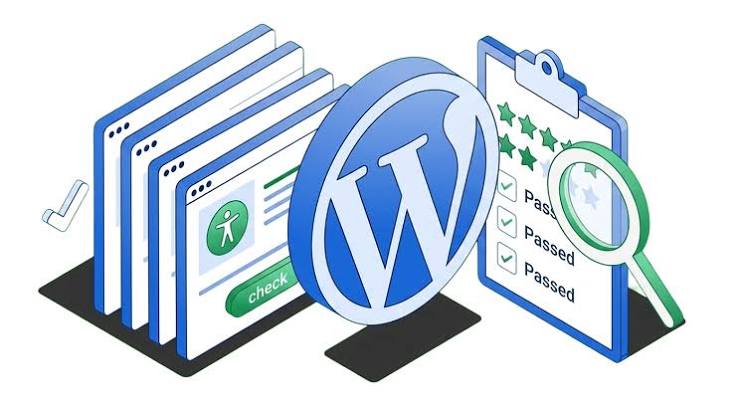
WordPress security should be considered during development and maintained after launch.
Common risks include outdated software, weak administrator passwords, abandoned plugins and excessive user permissions.
Professional WordPress website development Australia should include:
- Secure coding practices.
- Trusted plugins and themes.
- Restricted administrator access.
- Multi-factor authentication where appropriate.
- Regular backups.
- Update procedures.
- Malware monitoring.
- Activity logging for critical systems.
Security does not come from one plugin. It depends on hosting, development, maintenance and internal user behaviour working together.
Businesses should also understand who is responsible after launch. The development agency, hosting provider and internal team may each control different parts of the environment.
Accessibility and Mobile Usability
Australian websites serve customers with different devices, abilities and levels of technical confidence.
Professional WordPress website design Australia should support readable content, keyboard navigation, appropriate colour contrast and accessible forms.
Mobile design requires more than reducing desktop layouts to a smaller width. The development team should consider how visitors read, compare information and complete actions using a phone.
Important mobile requirements may include:
- Touch-friendly buttons.
- Clear navigation.
- Readable typography.
- Practical form fields.
- Optimised images.
- Stable page layouts.
- Fast access to contact information.
Accessibility and mobile usability generally improve the website experience for every user, not only one specific group.
Choosing a WordPress Agency Australia Businesses Can Trust
The right development partner should be capable of discussing commercial goals before recommending technical features.
Businesses evaluating a WordPress agency Australia should review more than portfolio images.
Useful questions include:
- Does the agency understand our customer journey?
- Will the website use a custom or pre-built theme?
- How will content be structured?
- Which plugins and licences are required?
- Who owns the website and source code?
- How will updates be tested?
- What maintenance is available after launch?
- How will existing SEO value be protected?
- Can the team support integrations and future development?
A reliable agency should explain which requirements can use standard WordPress functionality and which genuinely require custom development.
The business should also know who will deliver the project. The team presented during sales discussions should have a clear relationship with the people responsible for design, development and quality assurance.
Understanding Total Website Cost
The cheapest initial quotation is not always the lowest-cost solution.
Businesses should consider:
- Design and development.
- Hosting.
- Premium plugin licences.
- Content creation.
- Integrations.
- Maintenance.
- Security.
- Future improvements.
A low-cost theme-based website may be appropriate for a small project. It may become expensive if the company later needs extensive customisation or repeated repairs.
Professional WordPress Australia projects should be evaluated according to total ownership cost and expected business value rather than launch price alone.
Maintaining the Website After Launch
A website is not finished permanently when it becomes public.
WordPress core, plugins, browsers and external systems continue changing. Business information, services and customer expectations also evolve.
Professional maintenance may include:
- Software updates.
- Backup verification.
- Security monitoring.
- Form testing.
- Performance review.
- Broken link checks.
- Content corrections.
- Integration monitoring.
A professional WordPress developer Australia should provide clear handover documentation and explain which tasks the internal team can manage independently.
The business should retain control of its domain, hosting, website accounts and third-party services wherever possible.
Conclusion
Choosing the right WordPress developer Australia is an important decision for any organisation that expects its website to support marketing, sales, customer communication and future business growth.
Professional WordPress website development Australia should begin with commercial objectives, structured content and realistic operational requirements. Effective WordPress website design Australia should make information easier to understand while supporting a consistent customer journey across desktop and mobile devices.
By working with an experienced WordPress agency Australia, businesses can build secure, scalable and manageable websites rather than relying on generic templates that become increasingly difficult to control.
The strength of WordPress Australia is not simply that the platform can create many different types of websites. Its real value is that, when planned and developed correctly, it can provide Australian businesses with a flexible digital foundation that continues evolving alongside their customers, services and commercial ambitions.